
















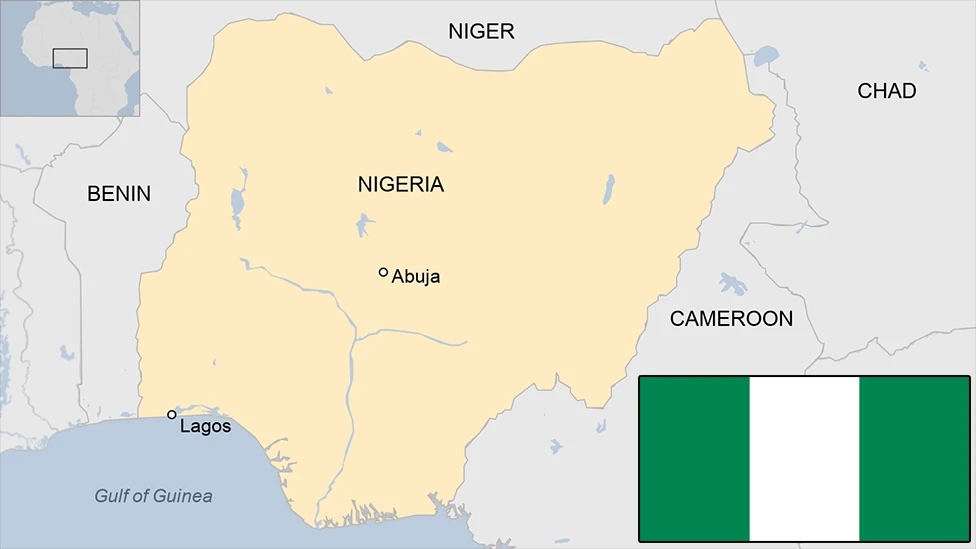

Nigeria is emerging as the epicentre of a sweeping cybercrime crisis that is rapidly engulfing Africa. In late 2024 and early 2025, coordinated raids in Lagos and Abuja exposed the sheer scale of foreign-led digital fraud operations on the continent. Nearly 1,000 suspects were arrested, including 177 Chinese nationals, in what investigators described as one of the most complex cybercrime crackdowns in Nigerian history. What authorities uncovered were not makeshift scam centres but facilities designed like corporate headquarters—rows of computers, thousands of SIM cards and structured training units used to coach Nigerian recruits in phishing, online deception and cryptocurrency fraud.
This revelation was a warning that Africa’s cybercrime challenge had evolved far beyond local actors. Nigeria’s Economic and Financial Crimes Commission (EFCC) has vowed to dismantle these networks, but the magnitude of the operations points to deep collaboration between foreign syndicates and local accomplices. The raids also signalled that Africa had become an attractive frontier for transnational cybercrime groups, many of which had migrated from Southeast Asia as enforcement tightened in their home regions.
The Nigerian arrests were not isolated. Across the continent, similar patterns were unfolding. In 2024, Zambia dismantled a major fraud syndicate involving 77 suspects, including 22 Chinese nationals. Some were sentenced to up to 11 years in prison, a rare instance of decisive accountability. Around the same time, Angola carried out mass arrests linked to online gambling and digital fraud, while Namibia had earlier exposed a major “pig butchering” cryptocurrency scam involving 14 suspects—nine of them Chinese nationals—charged with fraud, money laundering, racketeering and human trafficking.
By 2025, it had become increasingly clear that these were not scattered operations but part of a growing network of sophisticated, cross-border cybercrime syndicates. According to an April 2025 report by the United Nations Office on Drugs and Crime (UNODC), criminal groups operating out of China and Southeast Asia were siphoning tens of billions of dollars annually through fake investments, romance schemes and cryptocurrency fraud. Losses in China and Southeast Asia alone totalled 37 billion dollars in 2023, with global losses far higher. As law enforcement intensified in Cambodia, Laos and Myanmar, many syndicates shifted their operations to Africa—a migration that UNODC described as spreading “like a cancer”.
Interpol’s Africa Cyberthreat Assessment Report 2025 further warned that these networks pose risks far beyond financial loss. They undermine national security, target critical infrastructure, and increasingly rely on advanced technologies such as AI-driven deepfakes, malware and encrypted underground banking systems. These tools have transformed criminal groups into sophisticated cyber threat actors capable of challenging the digital stability of African states.
The geopolitical dimension complicates the fight. China publicly denounces cybercrime, yet analysts note that enforcement at home is often uneven. Crackdowns tend to dismantle smaller operators, while larger, more organised networks have historically been able to reconstitute themselves in foreign jurisdictions. Moreover, African governments—many deeply indebted to Beijing and reliant on Chinese infrastructure financing—sometimes face diplomatic hurdles when pursuing aggressive prosecutions involving Chinese nationals. This dynamic creates a structural imbalance in which criminal syndicates exploit the space between political sensitivity and weak regulatory regimes.
There is no conclusive evidence of direct state sponsorship of these networks. However, the persistence of underground banking systems, opaque financial routes and lax oversight of cross-border digital transactions allow organised cybercrime to flourish. These conditions give criminal groups the ability to relocate, rebuild and expand operations with remarkable speed.
African law enforcement agencies, though increasingly active, remain under-resourced. Nigeria continues to dismantle compounds and training centres tied to foreign syndicates, while Zambia’s prosecutions in 2024 demonstrated that accountability is possible with political will. But the adaptability of these networks—shifting to countries with weaker enforcement or exploiting areas with high youth unemployment—keeps them several steps ahead of national authorities.
The consequences extend well beyond immediate financial losses. Cybercrime erodes public trust in institutions, deters foreign investment and drains billions from fragile economies. It fuels other illicit markets, including human trafficking and forced labour in scam compounds across the continent. It also risks turning Africa into a testing ground for cutting-edge cyber operations that may eventually be deployed on a global scale.
Meanwhile, analysts observe that the spread of China-linked cyber syndicates into Africa mirrors broader geopolitical tensions. Criminal groups exploit regulatory gaps, diplomatic sensitivities and uneven enforcement, gaining room to operate while African states struggle to coordinate regional responses. The continent finds itself navigating an uncomfortable tension: dependence on Chinese economic partnerships on one hand, and the need to confront criminal networks involving Chinese nationals on the other.
Ultimately, the expansion of these networks represents not just a criminal challenge but a strategic one. To protect their digital futures, African states must strengthen cyber laws, enforce digital safeguards, invest in cross-border intelligence sharing and fortify law enforcement capabilities. Crucially, they must also safeguard their sovereignty by resisting external pressures that undermine investigations and prosecutions.
Without coordinated action—both within Africa and with international partners—the continent risks becoming a long-term base of operations for highly sophisticated cyber syndicates. Africa cannot face this threat alone. Transparency, vigilance and global collaboration will be essential to dismantling these networks and preventing the continent from becoming the next frontier of transnational digital exploitation.