












NAIROBI, Kenya, Dec 2 – Interior Cabinet Secretary Kipchumba Murkomen has identified banditry, sexual and gender-based violence, drug and alcohol abuse, and persistent land disputes as some of the most pressing security challenges facing the country.
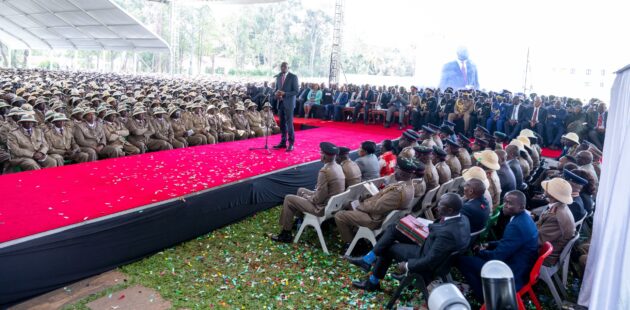
Speaking during a national gathering of chiefs and assistant chiefs at State House, Nairobi, Murkomen outlined the findings of his ministry’s extensive nationwide security forums, Jukwaa la Usalama, which engaged over 60,000 grassroots leaders and security officers.
Murkomen said President William Ruto’s directive to strengthen bottom-up governance had allowed the ministry to directly hear from local administrators who confront insecurity daily.
“We listened to chiefs, assistant chiefs, village elders and OCS officers in every county,” Murkomen said. “This engagement was open, frank and necessary. You cannot solve security issues unless you start by listening to the people on the ground.”
Murkomen reported that while terrorism threats along border regions remain under control, banditry continues to destabilize parts of Meru, Isiolo, Samburu and neighboring counties.
He noted significant progress in regions previously affected, such as the Kerio Valley, where security operations have recovered more than 1,000 illegal firearms in a period of just a few months.
Murkomen described drug and alcohol abuse as a national crisis, complicated by corruption and inconsistencies in county licensing of bars and entertainment establishments.
He said some towns have “more bars than restaurants,” undermining the fight against illicit brews.
The CS also warned that conflicts between chiefs and police officers — often linked to bribery — have hampered enforcement.
Murkomen urged tighter coordination and called for presidential guidance on intensifying the anti-drug campaign.
Murkomen raised alarm over the growing number of sexual and gender-based violence incidents, particularly defilement cases reported in Kisii, Migori and Bomet counties.
“Some of the perpetrators are individuals who should be protecting children,” he said, calling for enhanced policing and more robust community awareness interventions.
The Interior CS warned that criminal gangs and politically hired goons pose a persistent threat to public order.
Groups such as Gaza, Confirm, 42 Brothers, MRC and local militia groups continue to disrupt public gatherings, including funerals, he noted.
Murkomen vowed that the government would pursue all offenders “without fear or favour,” regardless of political affiliation.
Land disputes also emerged as a top security concern, affecting regions such as Narok and areas where inter-county boundary conflicts persist — including Kitui–Tana River, Lamu–Garissa, Taita Taveta–Kwale, and Pokot–Turkana borders.
Murkomen said tensions worsen when minerals are discovered, as seen in parts of West Pokot and Turkana.
Murkomen urged the President to address long-standing welfare issues affecting chiefs and assistant chiefs, including, inadequate transport, forcing some officers to rely on motorcycles for long distances, poor housing conditions and limited insurance coverage and delayed compensation for injuries sustained on duty.
Murkomen lauded President Ruto for commissioning the nationwide forums and training programmes that have so far benefited thousands of chiefs, assistant chiefs and ACCs.
He said the leaders now awaited the President’s directives on how the government would resolve the highlighted security challenges and improve their operational environment.