





















NAIROBI, Kenya, June 9 – Kenya is among three African countries selected to benefit from a $75 million (about Sh9.7 billion) global initiative by Bloomberg Philanthropies aimed at expanding access to eye care services and reducing preventable blindness.
The Bloomberg Philanthropies Vision Initiative, launched in September 2025, seeks to improve access to vision screening, cataract surgeries and eyeglasses while strengthening health systems in low- and middle-income countries.
Speaking to Capital FM on the sidelines of the 2030 IN SIGHT LIVE Kenya conference, Bloomberg Philanthropies Public Health team member Adrienne Pizatella said Kenya, Nigeria and Ethiopia were selected alongside Bangladesh and Cambodia for the programme’s first phase over the next two years.
The initiative aims to distribute more than seven million pairs of eyeglasses, restore sight for 250,000 people through cataract surgeries, conduct vision screenings for 11.5 million people and improve global data collection on eye health.
“I think the burden was an incredibly strong driver for us. Over one billion people globally live with untreated vision issues that could be treated, and most of them are in low- and middle-income countries,” Pizatella said.
The programme is also partnering with the Pupils Project, a Warby Parker initiative that provides free vision screenings, eye examinations and eyeglasses to students in need in the United States.
According to Pizatella, Bloomberg Philanthropies is working closely with governments and local stakeholders to ensure eye care services reach vulnerable populations, including people living in remote areas and transport workers such as truck drivers, whose vision is critical to road safety.
She noted that policy reforms by Kenya’s Ministry of Health and investments in public health facilities have created a conducive environment for the rollout of the programme, particularly in public hospitals where most cataract surgeries are performed.
“One thing that is very amazing about eye health is that many of the solutions are simple, and when they are executed well, they are very effective and efficient. Progress in eye care is very possible, and there is a huge need,” she added.
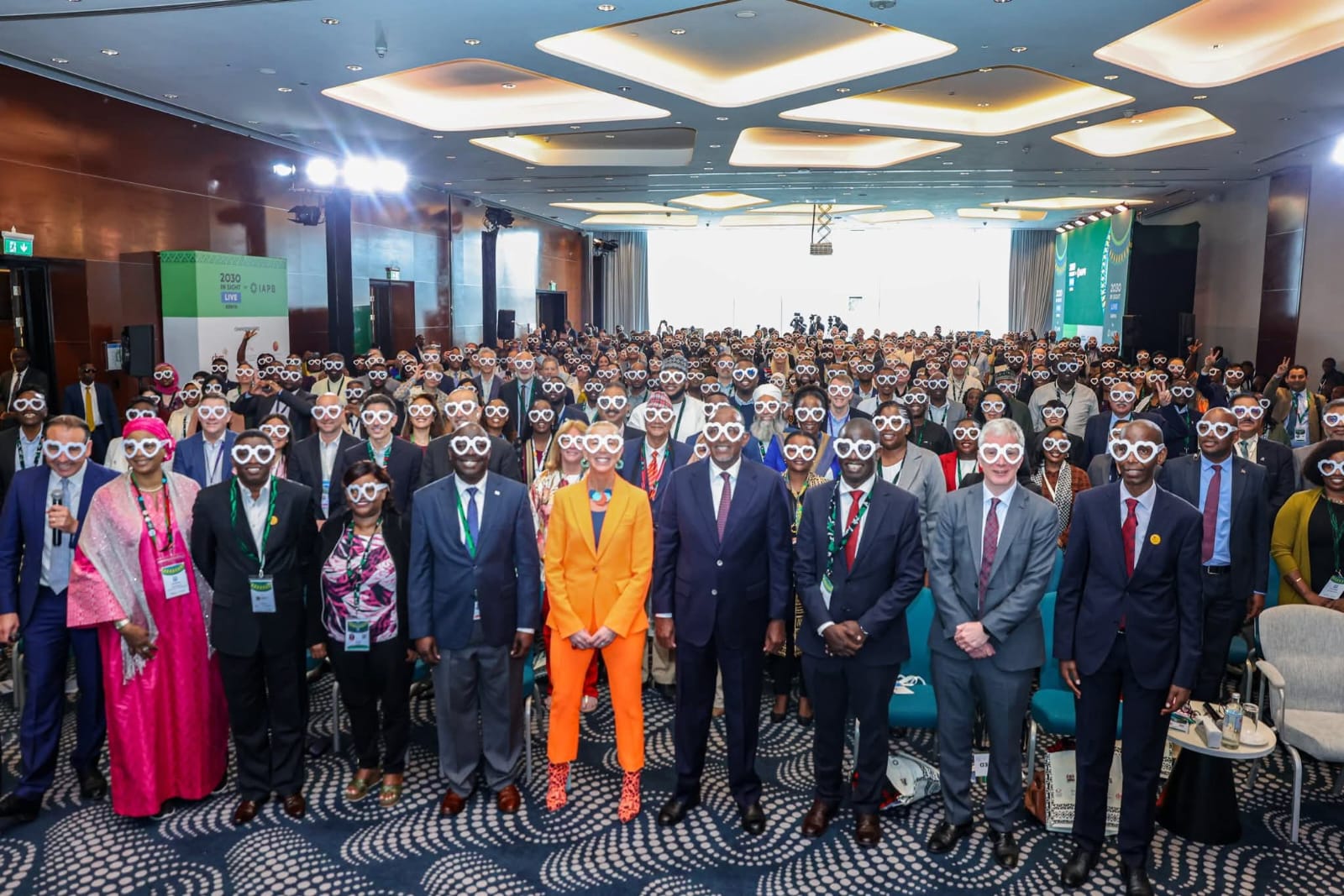
The remarks were made during the 2030 IN SIGHT LIVE Kenya conference, which brought together more than 500 delegates from Africa and other regions to discuss eye health, innovation, artificial intelligence and universal access to quality eye care.
According to the World Health Organization, at least 2.2 billion people globally live with near- or distance-vision impairment. Of these, at least one billion cases could have been prevented or remain untreated despite the availability of effective interventions.
The WHO identifies refractive errors and cataracts as the leading causes of vision impairment and blindness globally, both of which can be effectively treated if diagnosed early.
In a recorded address to the conference, Bloomberg Philanthropies founder Michael Bloomberg said untreated vision loss remains widespread despite the availability of affordable and effective treatments, underscoring the need for greater investment in eye health services.
Health Cabinet Secretary Adan Duale said the government is prioritising the integration of eye health services into the broader healthcare system through the Social Health Authority (SHA) to improve access and affordability.
He added that the Ministry of Health is leveraging digital health solutions, outreach programmes and targeted investments to expand eye care services, particularly in arid, semi-arid and underserved regions of the country.