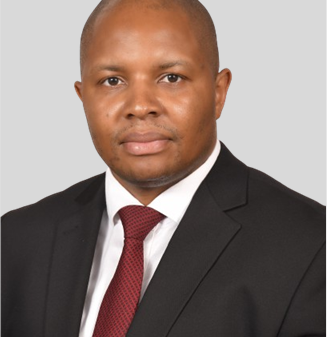
























NAIROBI, Kenya, Apr 5 – More than 1,000 dormant administrative units in Kenya that exist in law but have never been operational are set to be revived under new reforms unveiled by Cabinet Secretary for Interior and National Administration Kipchumba Murkomen.
The reforms seek to activate 24 sub-counties, 88 divisions, 318 locations, and 675 sub-locations that have remained inactive for years, affecting security delivery and public service provision.
“This is about improving governance, security, and access to essential services. Every unit must serve a real purpose,” Murkomen said.
He noted that the proposed regulations would be subjected to public participation before being tabled in Parliament, giving Kenyans a chance to shape the country’s administrative framework.
The move comes as part of a broader push to curb the longstanding trend of gazetting administrative units without allocating corresponding budgets—an oversight that has left 45 sub-counties, 291 divisions, 1,439 locations, and 2,693 sub-locations non-operational.
“To prevent the future gazettement of administrative units that are not budgeted for, the ministry is developing regulations to guide the establishment of new administrative units,” Murkomen said.
To address the backlog, a supplementary budget has already been approved, with the National Treasury expected to release funds by April 2025. The ministry is currently preparing offices and resources for deployment, and staff recruitment, supported by the Public Service Commission, is underway.
The government targets full operationalisation of the revived units by July 2025.
In the proposed framework, insecurity will be a top consideration when prioritizing areas for activation. Murkomen emphasized that strategically placing administrative units in vulnerable areas will improve security response, enhance community engagement, and strengthen state presence.
Other criteria include population density, service delivery gaps, and equitable representation.
“The goal is to have these units fully operational by July 2025. We recognise the importance of these structures in enhancing security, public service delivery, and citizen participation,” he said.
Murkomen also reaffirmed the government’s commitment to affirmative action, promising fair representation in appointing National Government Administration Officers (NGAOs), particularly in marginalized regions.