

























NAIROBI, Kenya, May 14 – The Ethics and Anti-Corruption Commission (EACC) now recommends changes to the Anti-Corruption Act to bar those charged with corruption from office to prevent witness interference.
Twalim Mbarak, EACC Chief Executive Officer, highlighted the need for the amendment of the Anti-Corruption and Economic Crimes Act 2003 and the Ethics and Anti-Corruption Commission Act 2011, stating that this will give the Commission a full mandate to prevent corrupted leaders from being allowed to serve in public offices.
“The commission recommends amendments to the Anti-Corruption and economic crimes Act in order to make it clear that a person charged with corruption and unethical conduct will be barred from accessing their offices to avoid them interfering with witnesses and evidence,’’ he said.
EACC chairperson David Oginde stated that the commission has had difficulties looking into allegations of corruption against public officials who utilize their position of authority to obstruct their detention and the investigation process.
“When a person is still in office they have power because they can deny you access to particular documents, interviewing individuals as well as intimidation which has put the lives of our officers at risk and in serious danger,” said Oginde.
The commission also recommended amendments to the Leadership and Integrity Act 2012 as well as the development of model procedures for the prevention of corruption and bribery.
According to the Commission, the procedure guidelines will help prevent acts of corruption and bribery for both public and private entities in line with the Anti-Bribery Act, 2016 and the Anti-Bribery Regulations, 2022.
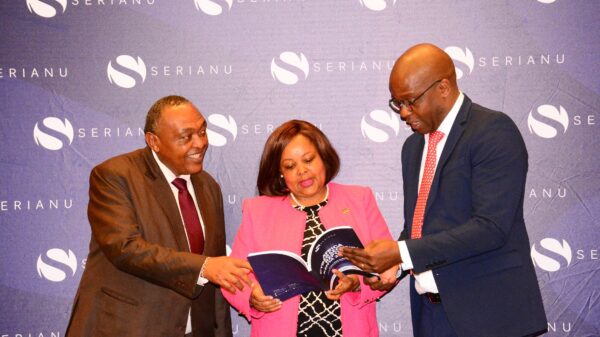
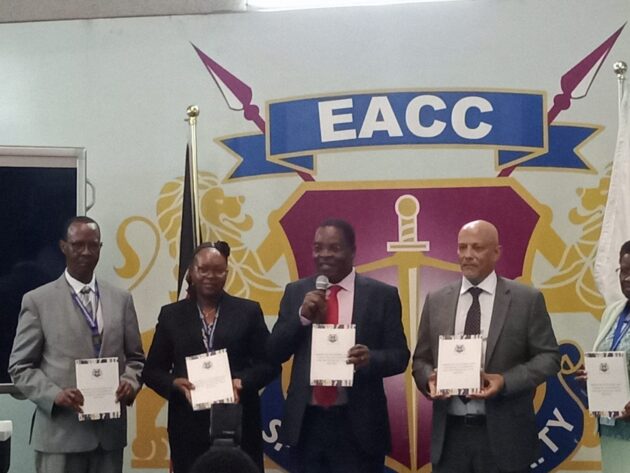
The two spoke during the launch of the annual report for financial year 2022–23 on Tuesday, where the commission revealed that it had completed investigations into 97 cases of corruption and economic crimes.
It further completed 61 investigations on the violation of Chapter 6 of the Constitution and the Leadership Integrity Act 2012.
The annual report on all activities of the commission covered the period between July 1, 2022, and June 30, 2023.
Additionally, the commission also finalized 62 cases on corruption, economic crimes, and unethical conduct in court, of which 27 were convictions, 27 were acquittals, and 8 were withdrawals.